I wanted to bring a little more of my personality into my website, so I built a small skating game and explored what designing with AI could look like.
While reworking my portfolio, I wanted to add something that felt like me. Something small, playful, and a little unexpected. I brainstormed a few ideas around photography, travel, and longboarding. Eventually, I landed on a small skating game.
Inspired by the simplicity of Chrome's Dinosaur Game, I started with a rough idea: a skater moving through a minimal world, encountering obstacles along the way. Rather than designing the entire game upfront, I used ChatGPT to explore the idea, think through how the game should behave, and turn those decisions into clear direction for building it.
We started with the basics: jumping, gravity, landing, and collision. I wanted the movement to feel believable rather than relying on a simple animation, so we defined the core physics and turned that into a clear prompt for Claude.
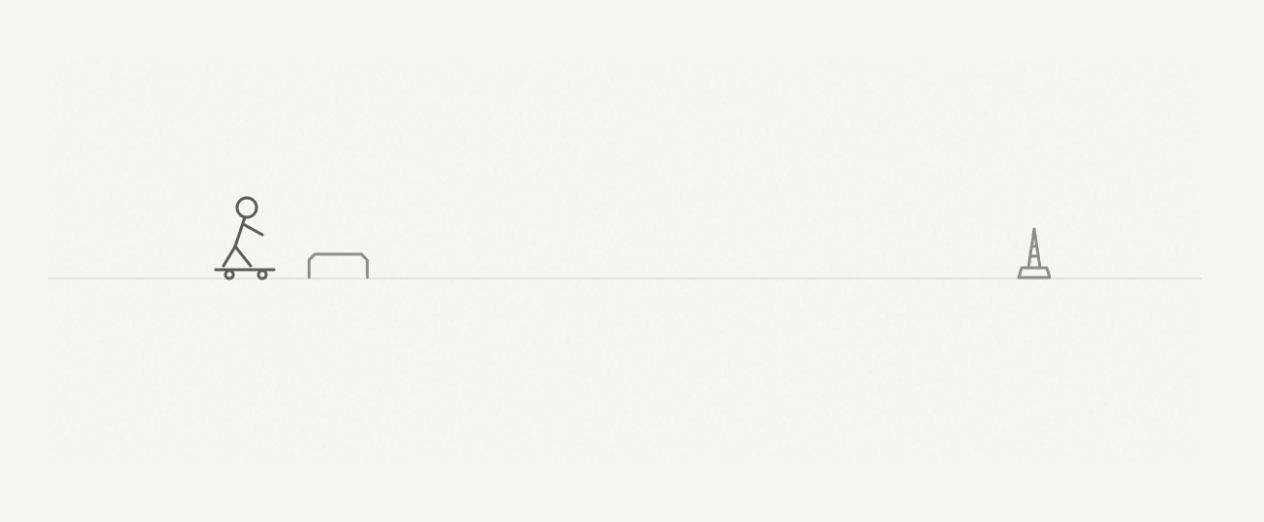
Claude handled most of the implementation and gave me a playable first version. From there, my workflow became:
Discuss → build → play → observe → refine.
Having something playable changed the process. I could now experience the interactions instead of imagining them, spot what felt wrong, and respond with much more specific direction. One of the first things I wasn't happy with was the character and how it moved. I wanted more detail in both the character and the actions, and this is where ChatGPT became particularly useful. Instead of trying to describe the changes directly to Claude, I used ChatGPT to sketch out what I was seeing in my head. It helped me break down character details and movements into smaller, more concrete ideas that I could then turn into implementation direction.
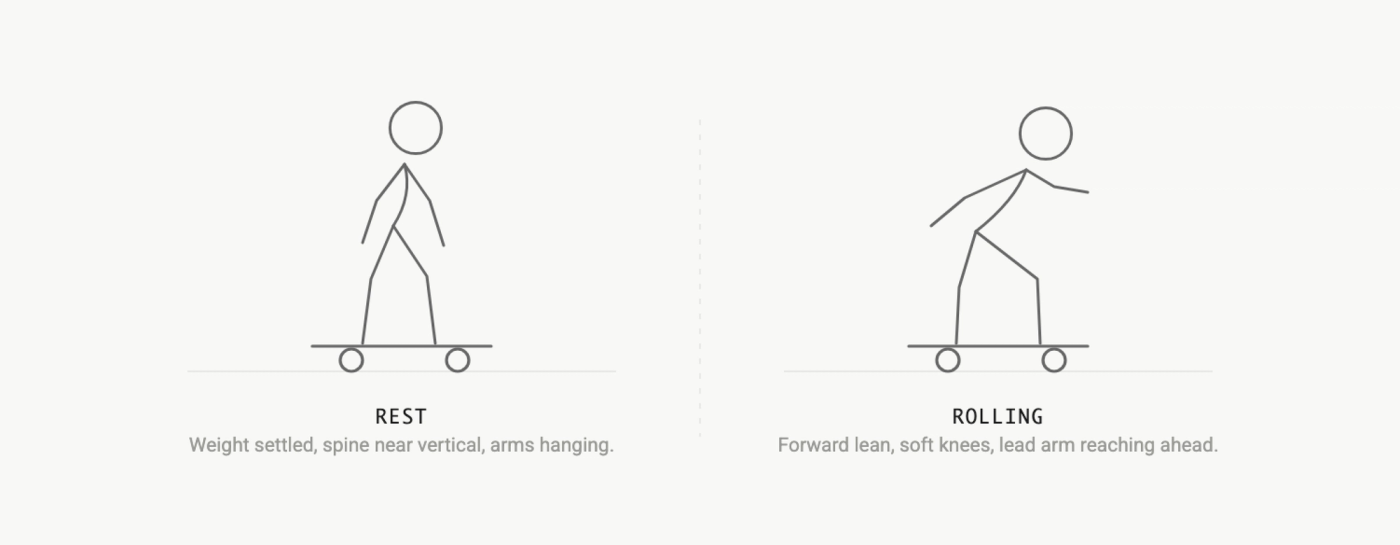
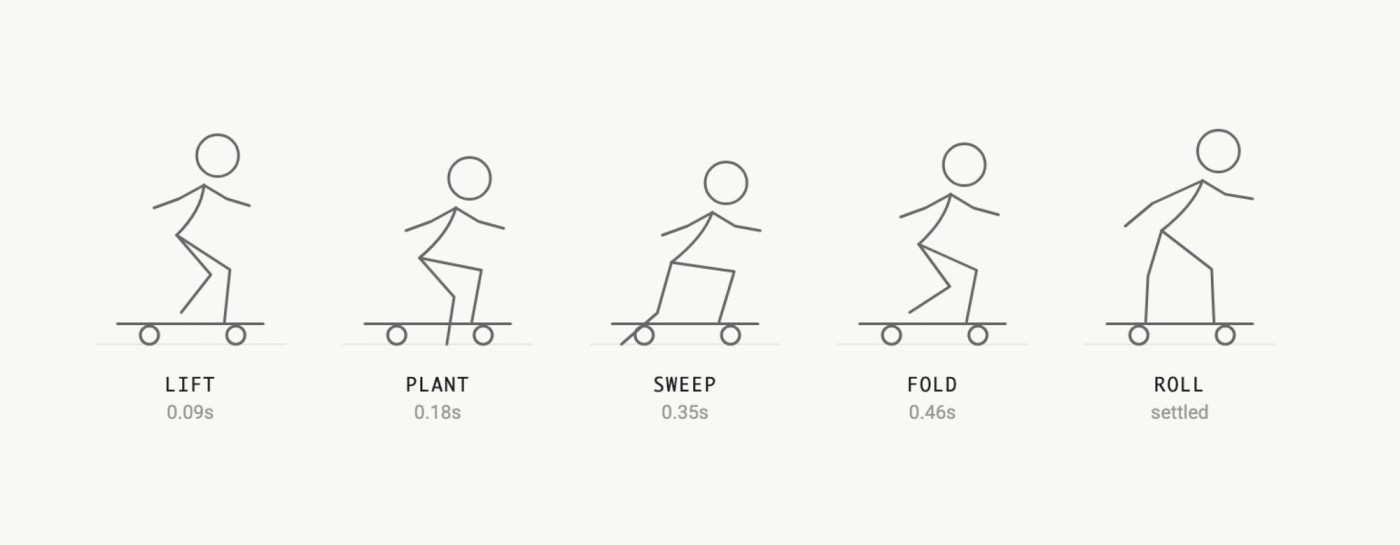
For example, when refining the push action, something about the movement didn't feel right. The proportions looked off and the pushing leg didn't move the way I expected. Rather than simply asking AI to “improve it,” I discussed the motion with ChatGPT, broke down what should actually happen, and gave Claude clearer direction for the next iteration.
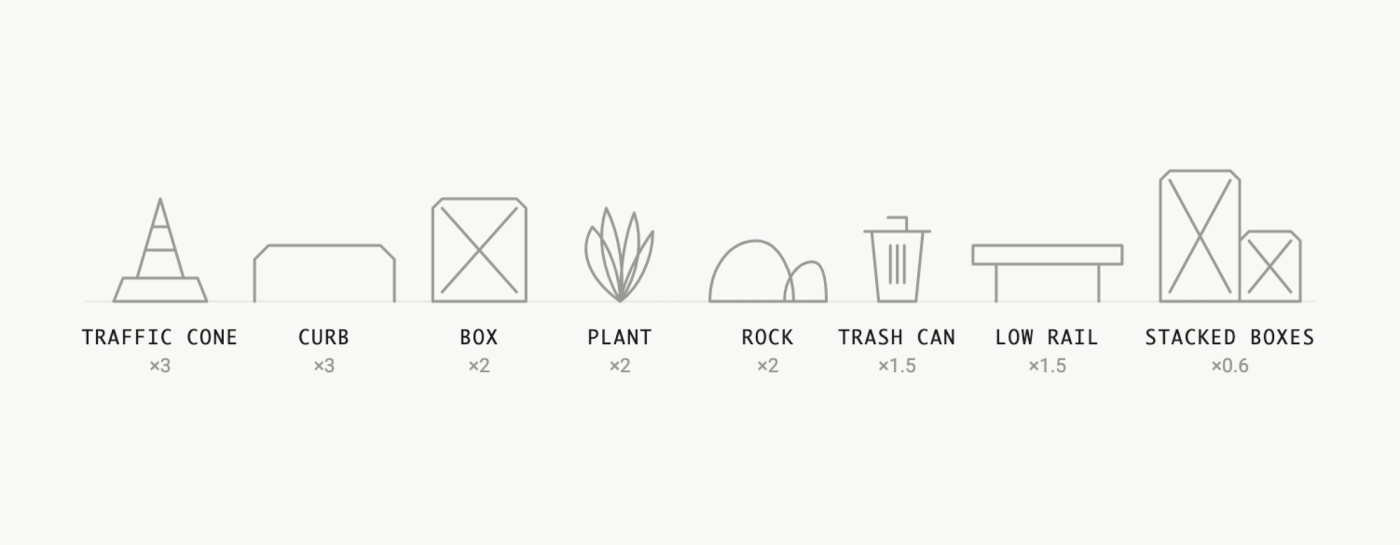
The same approach shaped the rest of the game. Once the core was working, I explored different obstacles and interactions, keeping the ideas that made sense when I could actually test them.
I also started adding more detail to the world around the character, a city backdrop, trees, and other small elements. These details helped the game feel more like a small world of its own.
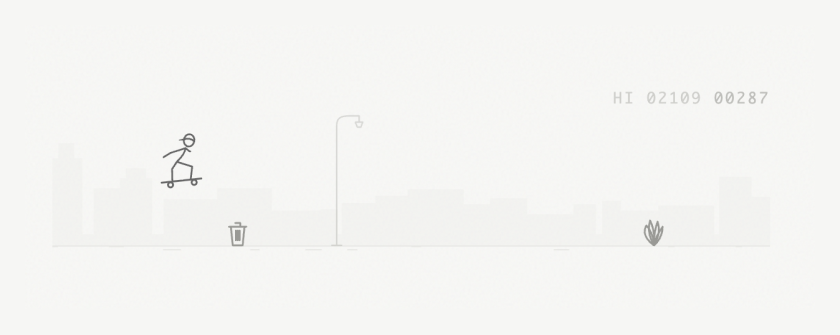
The biggest shift for me was this:
The prototype was no longer just the output of the design process. It became part of the design process itself.
AI is making the distance between an idea and something I could test much smaller. Instead of spending time imagining whether an interaction would work, I could build it, play it, and refine it.
That's the workflow I'm increasingly interested in: using AI not just to speed up execution, but to get to something real much earlier and use that to make better design decisions.