What building a small side project with AI taught me about how designers can ship ideas now.
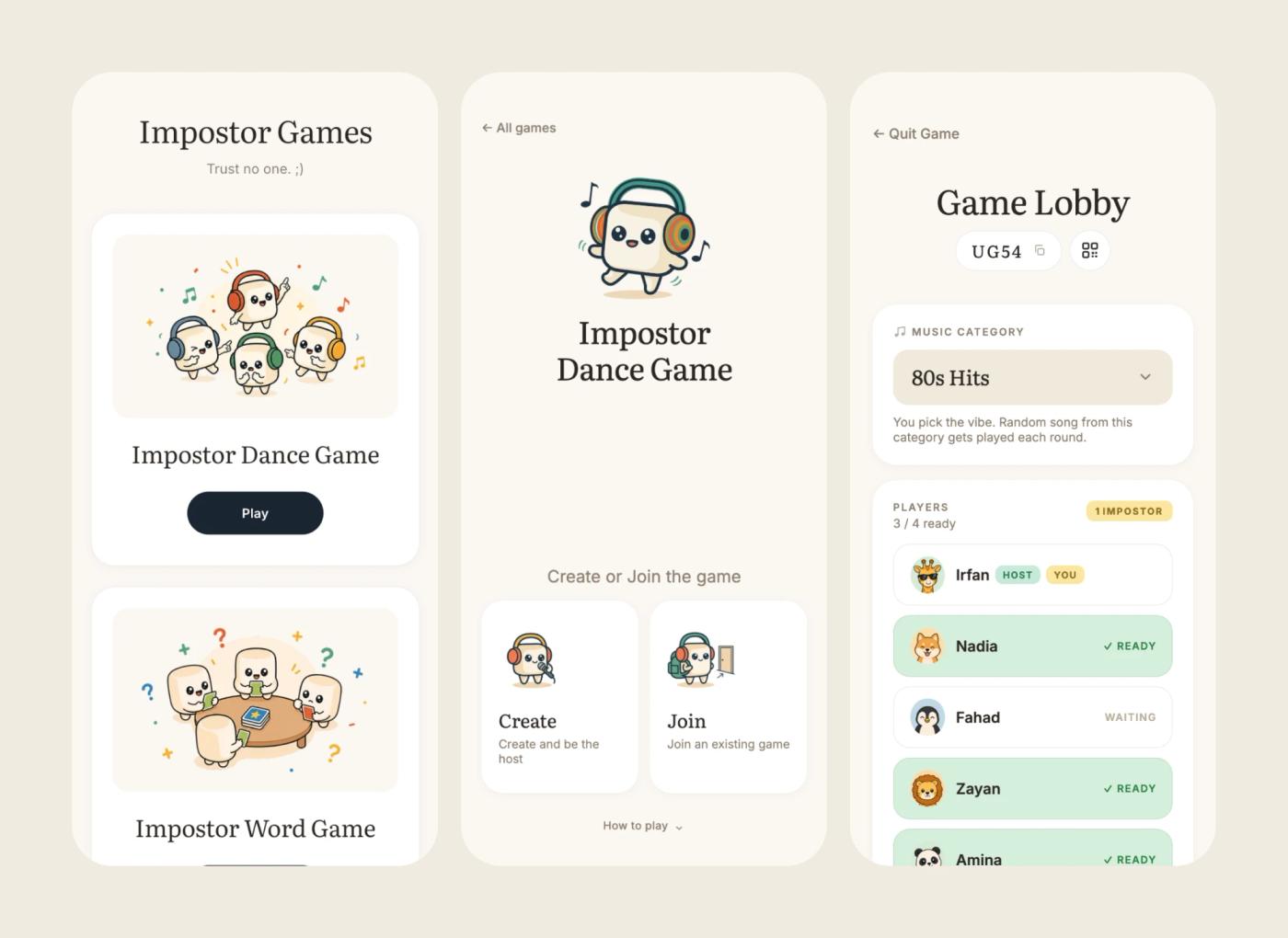
Two weeks ago, my family got together for a wedding, and like every family gathering, we ended up looking for games to play.
We wanted to try the viral Impostor Dance Challenge, but none of the existing apps had the Malayalam songs we wanted. Most felt clunky, and many locked content behind a paywall.
Instead of spending more time searching, I opened Claude Code and built a simple version myself.
About three hours later, we were playing.
Everyone had a great time. That's when I knew it was worth taking beyond our family gathering. I spent the next couple of evenings refining the interactions, polishing the experience, and publishing it at impostorgames.com.
The interesting part wasn't building it
The game itself is simple. Most of the effort went into making it feel effortless to play.
No app download.
Every similar game I found lives inside an app. Asking ten people at a party to install something is enough to lose half the room. A web link that opens instantly felt like the better experience.
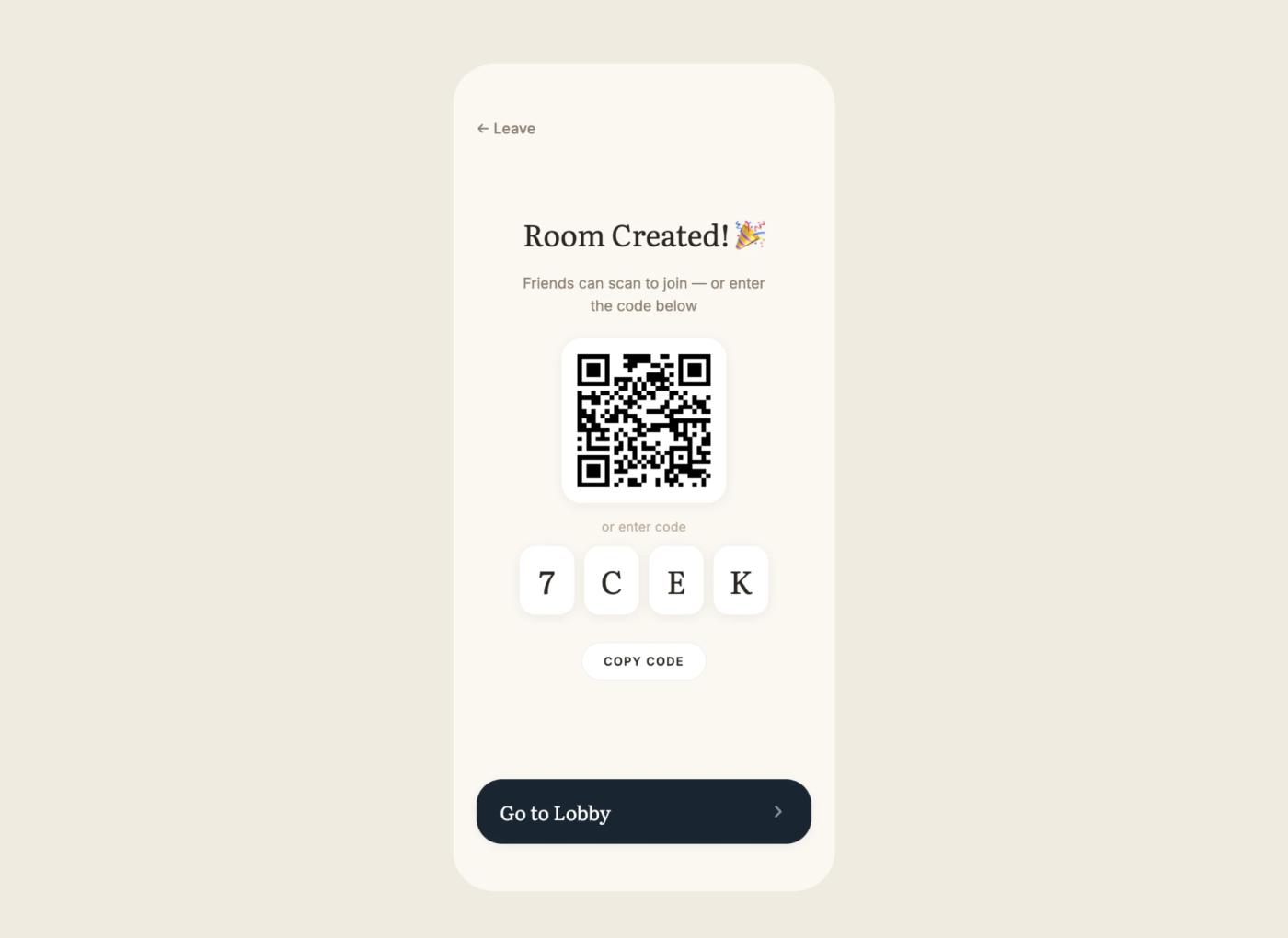
Join with a QR code.
The host creates a room, everyone scans the QR code, and they're in. No typing room codes. No explaining where to tap next.
Keeping it lightweight.
Instead of bundling songs into the game, I used Apple's 30-second MusicKit previews. The game streams the song preview when it's needed, so the experience stays lightweight while adding new songs is as simple as updating a playlist.
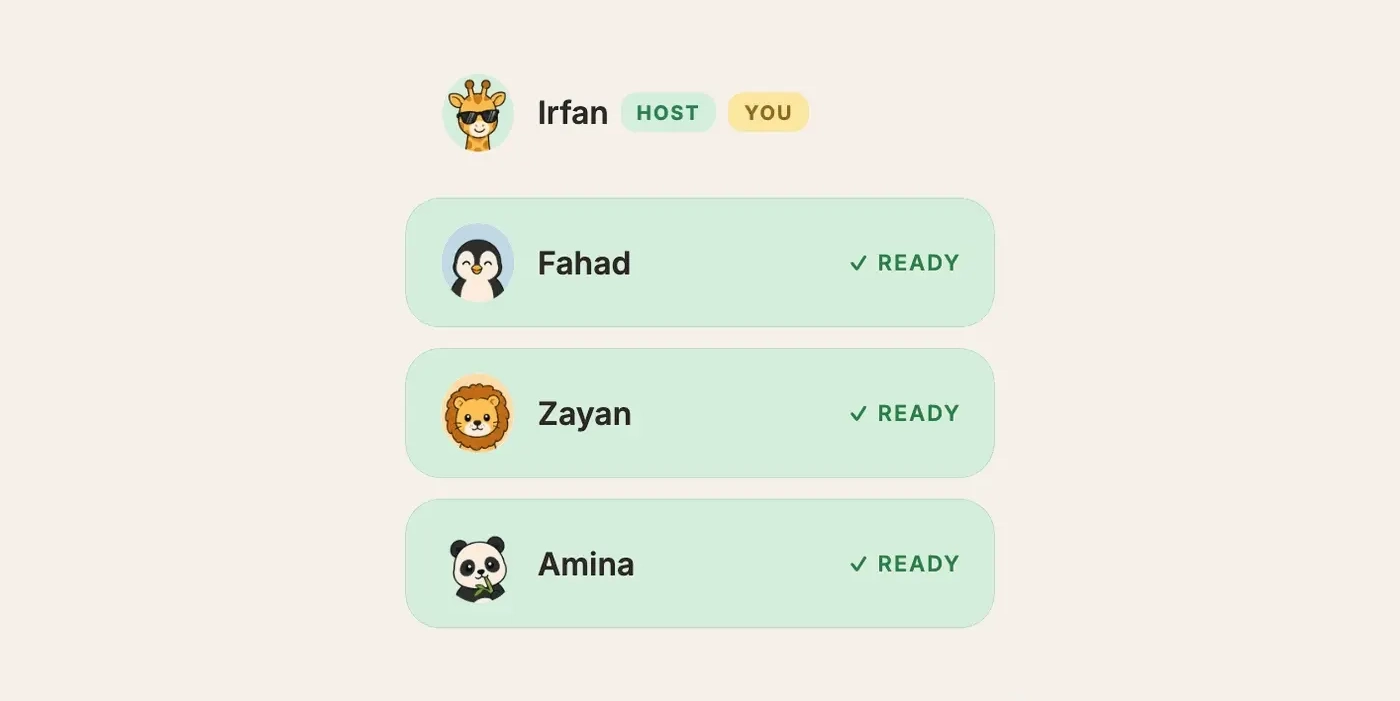
Small details that make waiting fun.
Random animal avatars, a little animation when someone joins, tiny celebratory moments. Nothing groundbreaking, but enough to make the lobby feel less like a waiting room.
A playful language.
Soft colours, rounded shapes, and friendly illustrations gave the game a warm, approachable feel. I wanted it to feel like something people would actually enjoy using, not just a prototype built over a weekend.
A few days later, my cousin posted a reel featuring the game.
It unexpectedly took off.
Over the last two days alone, people have played more than 2,000 rounds, from over 35 countries.
The numbers were exciting, but they weren't the biggest takeaway for me.
What stayed with me was how quickly an idea went from, “Wouldn't it be nice if this existed?” to something that thousands of people were actually using.
Why I wanted to share this
As designers, I think future is incredibly exciting for us. AI has made it possible to build products with little to no coding experience. But our biggest advantage is still our taste, the details, interactions, and visual craft we bring to an experience.
If you've been sitting on an idea, there's never been a better time to build it.